Trump's 100% Drug Tariffs: Japan, Korea Exempt, Taiwan Not
Lisa Bakker ·
Listen to this article~4 min
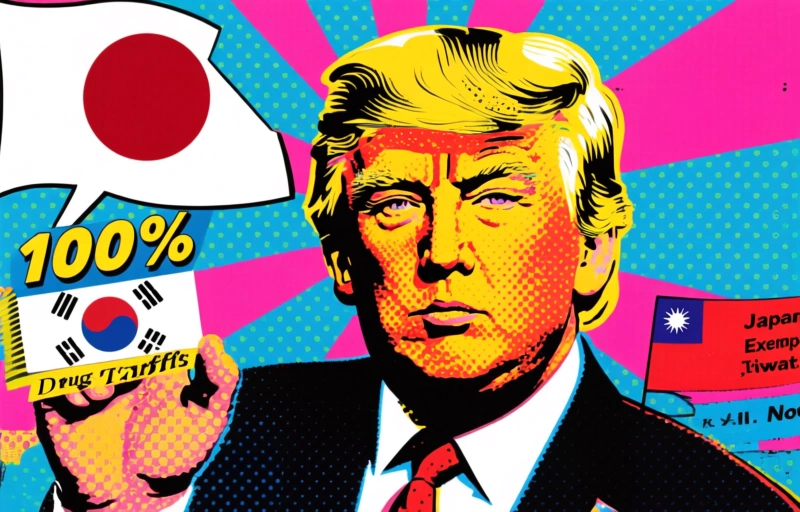
A breakdown of proposed 100% tariffs on imported pharmaceuticals, the exemption for Japan and South Korea, and the notable omission of Taiwan. Explore the potential impacts on drug prices and supply chains.
So, you've probably heard the buzz about trade policies and tariffs. It's a complex world, but let's break down what's happening right now with a major move affecting the pharmaceutical industry. It's a story about pressure, exemptions, and some surprising omissions.
### The Core of the New Policy
Former President Donald Trump has proposed imposing a staggering 100% tariff on imported pharmaceuticals. The goal? To force major drug manufacturers to bring their production back to the United States. It's a classic 'America First' manufacturing play, but with a direct impact on the medicines millions rely on. Think about that for a second—doubling the cost of drugs coming from overseas. That's a huge lever to pull.
The idea is simple on paper: make it so expensive to import that companies have no choice but to set up shop domestically. Supporters argue it will create jobs and secure the supply chain. Critics, however, warn it could lead to skyrocketing prices for consumers and disrupt access to essential medications. It's a high-stakes gamble with public health.
### Who Gets a Pass and Who Doesn't
Here's where it gets really interesting. In this proposed plan, not every country is treated the same. Japan and South Korea have reportedly been included on an exemption list. This means pharmaceuticals imported from those nations might not face the full brunt of the 100% tariff. It's a significant diplomatic and economic carve-out.
Why them? Well, it likely ties into broader trade relationships and strategic alliances. But this selective approach creates clear winners and losers in the global market. Companies based in or shipping from Japan and Korea get a potential competitive advantage, at least in the short term.
Now, for the notable omission: Taiwan. Despite being a major player in global technology and advanced manufacturing, Taiwan has not been granted a similar exemption for pharmaceuticals under this proposal. This places Taiwanese drug manufacturers and exporters in a much tougher position if the policy is enacted.
### The Ripple Effects You Might Feel
You don't have to be a CEO to feel the impact of this. If you or someone you know relies on prescription medication, this policy could hit close to home. Here's what could happen:
- **Higher Drug Prices:** The most direct effect. Tariffs are typically costs passed down the line, often ending with the consumer. A 100% tariff could mean significantly higher co-pays or insurance premiums.
- **Supply Chain Shuffles:** Drug companies may scramble to shift production. This could cause temporary shortages or delays for certain medications as factories are built or relocated.
- **Innovation Slowdown:** The massive capital required to move manufacturing could divert funds away from research and development of new treatments.
It's a reminder that international trade policy isn't just about abstract numbers—it's about the pills in your cabinet.
### Looking at the Bigger Picture
This move is part of a larger trend toward economic nationalism and supply chain reshoring. The pandemic exposed vulnerabilities in relying on global networks for critical goods, from microchips to medicines. The push is on to bring vital industries back within national borders.
But it's a delicate balance. As one expert recently put it, *"Protecting an industry with tariffs is like using a sledgehammer for surgery—it might get the job done, but the collateral damage can be severe."* The challenge is achieving security without stifling competition or innovation.
The exemption for Japan and Korea, but not Taiwan, adds a geopolitical layer to an already complex economic equation. It underscores how trade decisions are rarely just about trade; they're woven into the fabric of international relations and strategic interests.
What's next? We'll have to watch how this proposal evolves, how companies respond, and most importantly, how it affects the availability and affordability of healthcare for everyday Americans. One thing's for sure—the conversation about where our drugs come from is just getting started.