Trump's 100% Drug Tariffs: Who's Exempt and What It Means
Lisa Bakker ·
Listen to this article~4 min
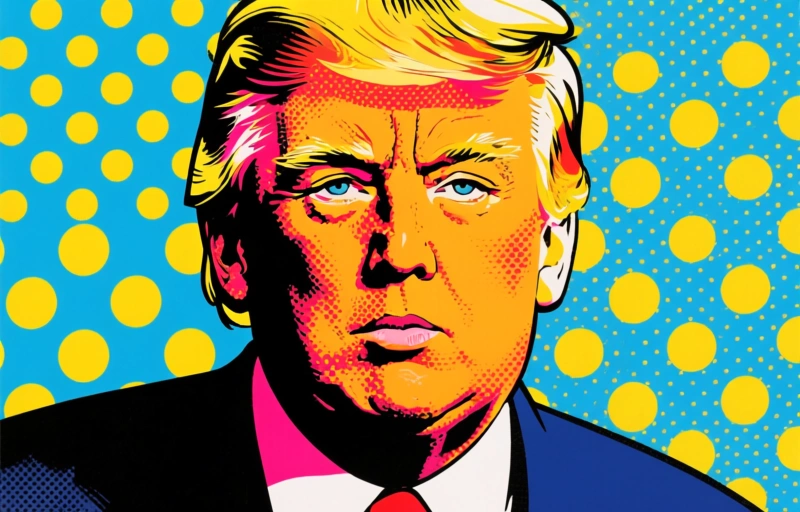
Trump's proposed 100% tariff on imported drugs aims to bring manufacturing back to the US. Key allies Japan and South Korea are exempt, but Taiwan is not, signaling major potential shifts for global pharmaceutical supply chains and costs.
So, here's a big move that's got everyone in the business world talking. The former president, Donald Trump, has proposed slapping a massive 100% tariff on imported pharmaceuticals. The goal? To force major drug manufacturers to bring their production back to American soil. It's a classic 'America First' policy play, but the details are where things get really interesting.
You see, not every country is being treated the same way. That's the part that has analysts and supply chain professionals scratching their heads and reaching for their calculators.
### The Exemption List: A Strategic Puzzle
When this kind of policy gets floated, the exemption list is often more telling than the rule itself. In this case, two key U.S. allies in Asia—Japan and South Korea—have reportedly made it onto the preliminary exemption list. This means pharmaceutical imports from those countries might dodge the full brunt of the proposed 100% tariff.
Why them? Well, it's likely a mix of geopolitics and existing trade frameworks. Both nations have strong strategic partnerships with the U.S. and complex, integrated supply chains. Exempting them helps avoid immediate, severe disruptions to the drug supply while still applying pressure broadly.
### The Notable Absence: Taiwan's Position
Here's the twist that's causing a lot of discussion. Taiwan, a global powerhouse in semiconductor and high-tech manufacturing, is notably *not* on that exemption list. This omission sends a clear, and perhaps deliberate, signal.
For professionals managing global supply chains, this isn't just a news headline—it's a potential pivot point. A 100% tariff is no small thing. It would effectively double the cost of importing those drugs. For companies with manufacturing hubs in Taiwan, this policy could force a complete re-evaluation of their logistics and production maps.
We're talking about billions of dollars in commerce and medications that millions of people rely on. The ripple effects would be felt from factory floors to pharmacy shelves.
### What This Means for Businesses and Consumers
Let's break down the potential impact, because it's huge.
- **For Drug Companies:** They're facing an impossible choice. Absorb the massive cost increase and watch profits vanish, or spend even more billions to shift production continents. Neither option is quick or cheap.
- **For the Supply Chain:** Every link feels the strain. Logistics planners, procurement officers, and shipping coordinators would be tasked with building entirely new networks almost overnight.
- **For Everyday Americans:** This is where it hits home. The cost of developing and moving drugs doesn't just disappear. History tells us that these costs are often passed down the line, potentially leading to higher prices at the pharmacy counter.
As one industry insider recently put it, *"Trying to rewire the global pharmaceutical supply chain is like trying to perform heart surgery on a marathon runner—mid-race."* The system is complex, delicate, and constantly in motion.
### Looking Ahead: Uncertainty and Strategy
Right now, this is a proposal. But in the world of global trade, even proposals shift markets. Smart companies aren't waiting for the final rule. They're running scenarios.
They're asking questions like: Do we need to diversify our supplier base immediately? Should we start exploring manufacturing sites in exempted countries or back in the U.S.? How much buffer stock do we need to carry to weather a transition?
The exemption for Japan and South Korea shows a targeted approach. It suggests the policy aims to punish specific trade relationships while protecting others. For Taiwan, and other non-exempt regions, the message is clear: the economic landscape for pharmaceutical manufacturing could be about to change dramatically.
The bottom line? This is more than a tariff. It's a potential catalyst for one of the biggest reshuffles in global manufacturing we've seen in decades. And whether you're in procurement, logistics, or executive leadership, it's time to pay very close attention.