Potential US-Taiwan Tariff Deal: What It Means for Trade
Lisa Bakker ·
Listen to this article~3 min

A potential US-Taiwan tariff agreement is under discussion, aiming to secure preferential treatment and lower trade barriers. The deal would undergo legislative review, impacting cross-strait commerce and consumer costs.
You've probably heard the buzz about a potential new trade agreement. It's one of those stories that feels complex, but really, it's about making things simpler and cheaper for businesses and consumers. Let's break it down.
Recently, there's been talk about the United States potentially securing preferential treatment for Taiwan in a new tariff agreement. If finalized, this pact would head to Taiwan's Legislative Yuan for review. It's a significant step, and it's got a lot of people talking about the future of cross-strait trade.
### Why This Trade News Matters
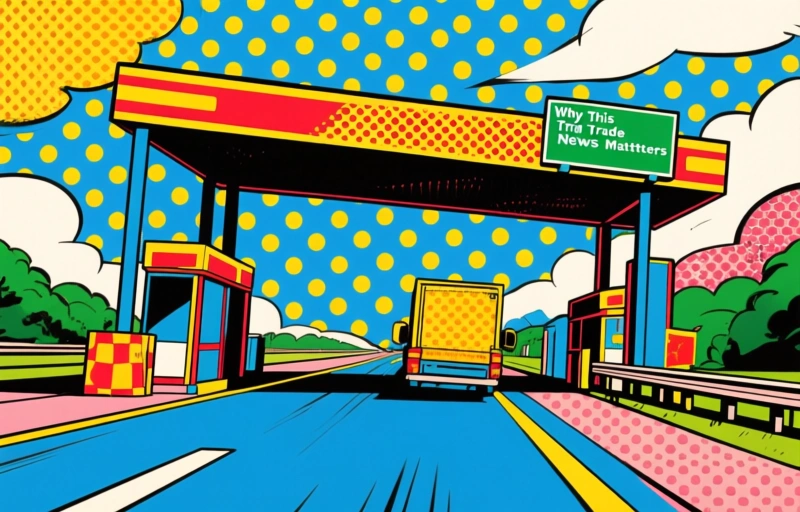
Think of tariffs like a toll booth on a highway. Every time goods cross a border, they have to pay. These costs add up, and guess who ultimately pays them? That's right, consumers like you and me. A new agreement aims to lower or remove some of these tolls, making trade smoother and products potentially more affordable.
This isn't just about big corporations. Small and medium-sized businesses that export goods stand to benefit hugely. Lower costs can mean more competitive pricing, which can open up new markets and create jobs. It's a ripple effect that starts with a policy change and can end up affecting your local economy.
### The Path Forward for the Agreement
So, what's next? The process is a bit like a relay race. The negotiators have done their part, and now the baton is being passed to the lawmakers. The Legislative Yuan in Taiwan will need to scrutinize the details, debate the merits, and ultimately vote. This ensures transparency and that the deal serves the public interest.
It's a careful balancing act. The goal is to foster stronger economic ties and provide stability, which is something everyone can get behind. As one official noted, "The focus is on creating a framework that benefits economic cooperation and growth for all parties involved."
Here’s what the key points of the discussion really boil down to:
- **Reduced Costs:** Lower tariffs mean lower prices for imported goods and materials.
- **Market Access:** Easier trade can help businesses reach new customers.
- **Economic Stability:** Clear, long-term agreements provide predictability for companies planning their future.
- **Strategic Partnership:** It reinforces an important economic relationship.
### What This Could Mean for You
Okay, but let's get practical. If you run a business that sources components or sells products internationally, this could directly impact your bottom line. Even if you don't, you might see a wider selection of goods on shelves or better prices on items you already buy.
International trade agreements can seem distant, but their effects are local. They influence supply chains, manufacturing decisions, and retail prices. By streamlining trade, the goal is to create a more efficient and resilient economic environment. It's about removing friction in a world that's deeply interconnected.
We'll be keeping a close eye on how this develops. The legislative review process will be key, and its outcome will shape trade dynamics in the region for years to come. It's a reminder that in our global economy, policy decisions made overseas can have a very real impact right here at home.