How a Local Food Scene is Using Coupons to Boost Tourism
Lisa Bakker ·
Listen to this article~4 min
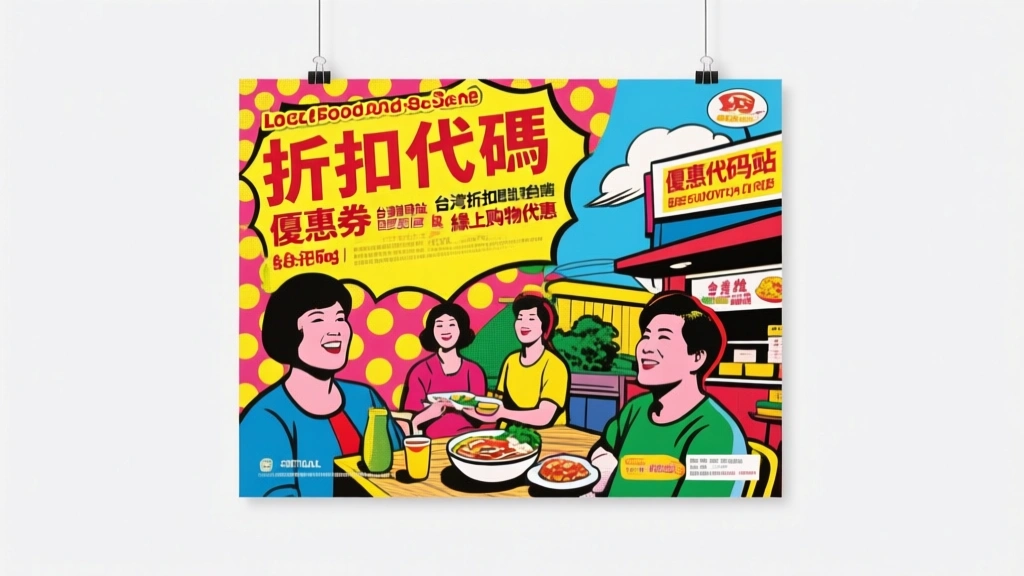
A local tourism initiative is distributing over 2,500 food coupons to boost visits to authentic eateries, creating a win-win for travelers and small businesses. Discover how strategic discounts are reshaping culinary travel.
You know that feeling when you stumble upon a deal that feels almost too good to be true? Like getting a little something extra just for showing up? That's the exact energy buzzing around a certain region's latest push to get people through the doors of their local eateries. It's not just about slashing prices; it's about creating an experience that rewards the curious food lover.
Imagine planning a trip where the local government is practically handing you a 'thank you' note in the form of a food voucher. That's the vibe here. It's a strategic move, sure, but it feels personal. They're betting that a great meal at a discount is the best kind of advertisement—one that comes with a full stomach and a happy memory.
### The Strategy Behind the Savings
So, what's the real goal? It's simple: to connect travelers directly with the heart of a community—its food. By distributing over 2,500 food coupons, the initiative aims to drive foot traffic to local restaurants and food stalls. This isn't about big chain discounts; it's about highlighting the family-owned noodle shop, the decades-old bakery, the night market stall with a secret recipe. The coupons act as a curated guide, encouraging visitors to explore beyond the usual tourist spots and taste authentic local flavors.
The beauty is in the mutual benefit. Visitors get to enjoy premium local cuisine at a reduced cost, while small businesses get a boost in customers and visibility. It's a direct investment in the local economy, one meal at a time. For foodies, it transforms a simple vacation into a culinary scavenger hunt, where the prize is a fantastic, affordable meal.
### What This Means for Food-Focused Travel
This approach signals a shift in how destinations can attract visitors. Instead of just marketing landmarks, they're marketing taste and experience. It acknowledges that for many travelers, food isn't just sustenance; it's a primary reason for visiting. A program like this does a few key things:
- **Lowers the barrier to entry:** Trying new foods can be intimidating or expensive. A coupon provides a gentle nudge to try that unfamiliar dish.
- **Creates immediate value:** The savings are tangible and instant, improving the overall perception of the trip's value.
- **Generates organic buzz:** Happy, well-fed travelers are likely to share their finds on social media and with friends, creating word-of-mouth promotion.
As one local restaurant owner might say, *'The best way to a person's heart is through their stomach, but the best way to a traveler's itinerary is through a good deal.'* It's a reminder that in the competitive world of tourism, thoughtful, value-added incentives can make all the difference.
### A Model for Other Regions?
While this specific program is localized, the concept is highly exportable. Any city or region with a vibrant food scene could adapt this model. The key ingredients are a commitment to supporting local businesses and a desire to offer visitors a genuine, tasty experience. It's a more sustainable and community-focused approach than generic tourist traps.
For the savvy traveler, it pays to watch for these kinds of initiatives. They often pop up in places looking to revitalize tourism or celebrate a local food culture. They represent a win-win: you get to explore and save, while directly contributing to the local economy. In the end, it's more than a coupon; it's an invitation to be part of a community's story, one delicious bite at a time. Next time you're planning a trip, it might be worth checking if your destination is serving up more than just sights—they might be serving up savings, too.